Expectations of Manufacturers on ERP Systems
By Annor Amapolley on January 15, 2026
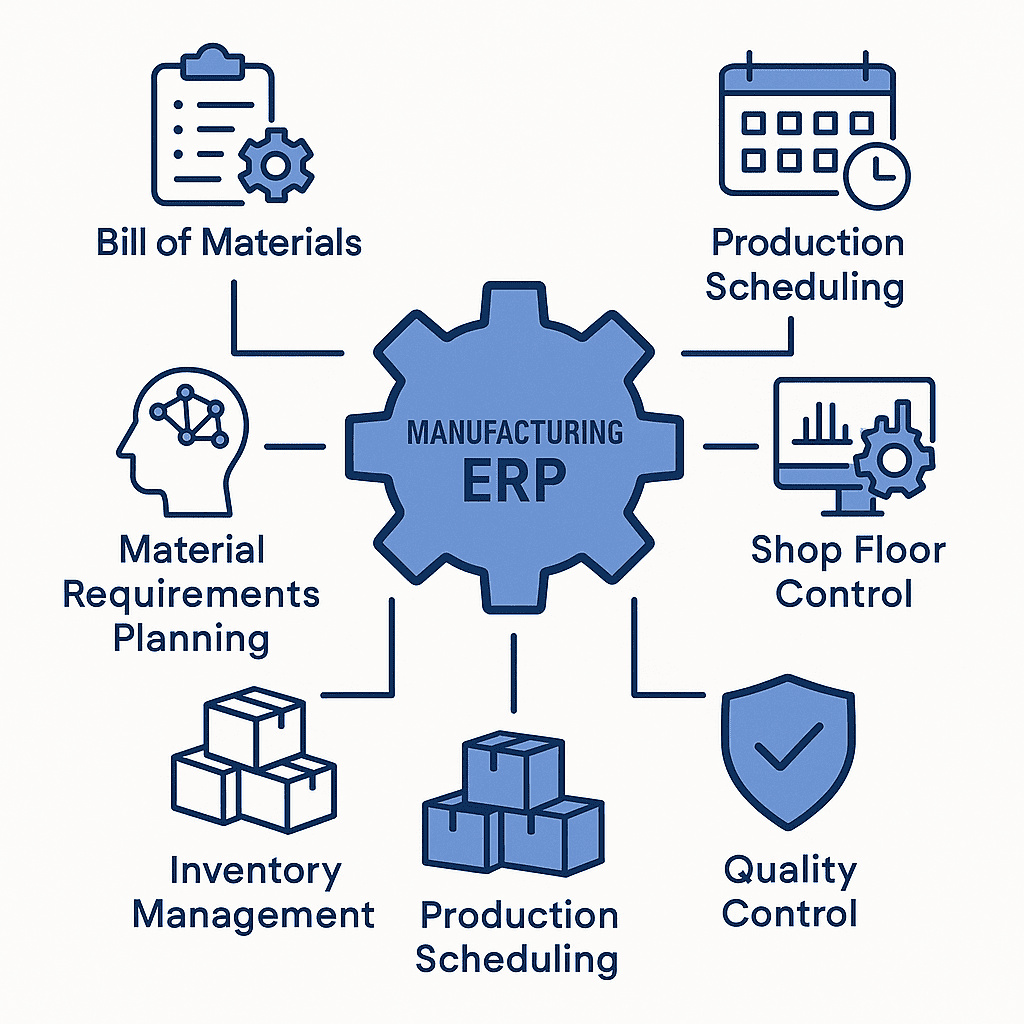
ExpertWhen companies adopt a manufacturing module in ERPNext (or any serious manufacturing software), they are not just “recording production.” They are usually trying to control cost, visibility, planning, and execution across the entire factory lifecycle.
Below is a clear, practical breakdown of what manufacturers actually expect the system to do for them.
1️⃣ Product & Bill of Materials (BOM) Control
What they want
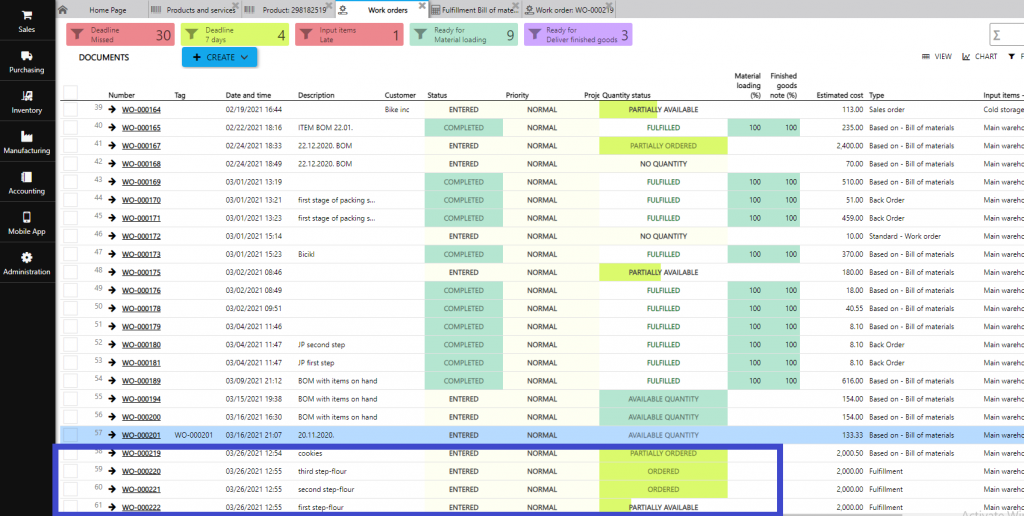
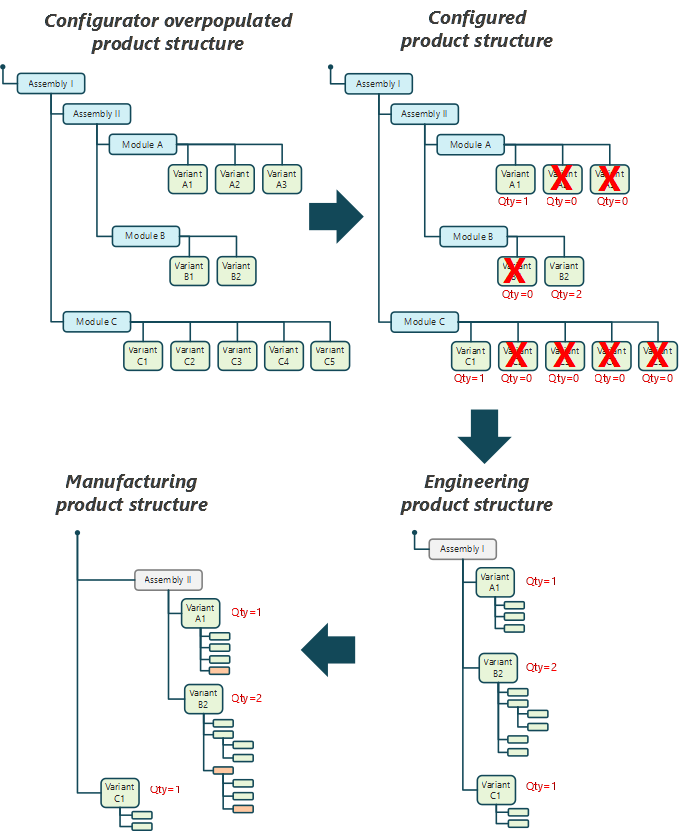
- Define finished goods, sub-assemblies, and raw materials
- Standardize recipes / formulations / components
- Control versions of BOMs (old vs new design)
- Know exact quantity & cost of each component
Why it matters
- Eliminates guesswork
- Prevents material wastage
- Forms the foundation for accurate costing
2️⃣ Accurate Production Costing (Very Important)
What they want
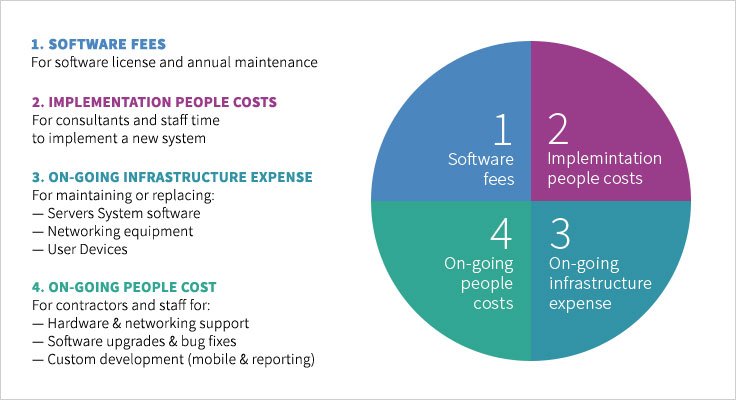
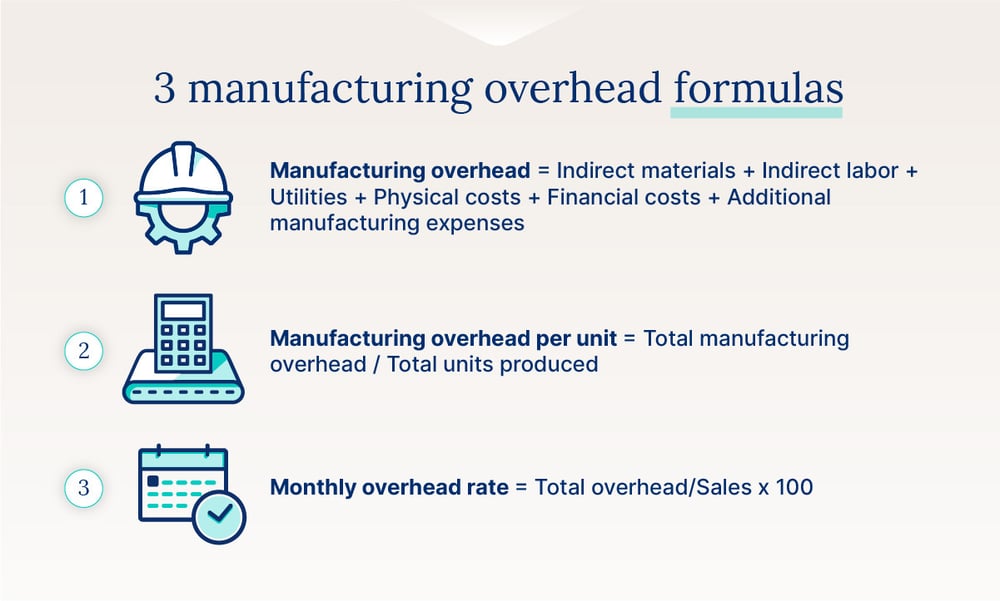
- Know true cost per unit, including:
- Raw materials
- Labor
- Machine/operation costs
- Overheads (power, fuel, depreciation)
- Compare planned vs actual cost
- Detect cost leakage early
Typical questions owners ask
- “Why is this product no longer profitable?”
- “Which step is driving up my cost?”
3️⃣ Production Planning & Scheduling


What they want
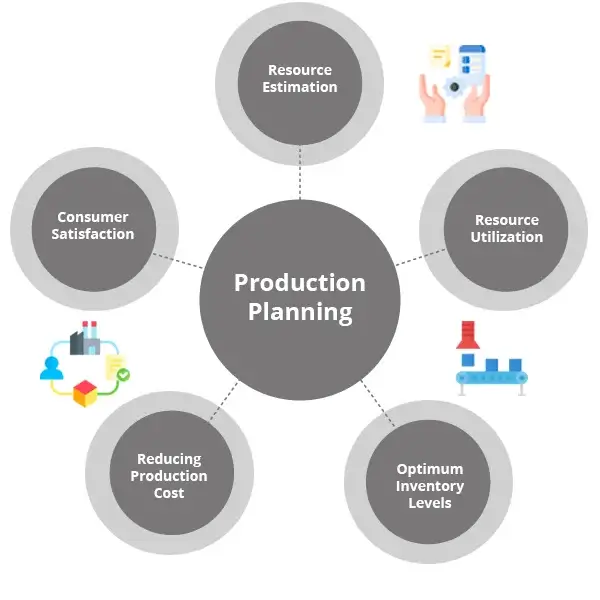
- Plan production based on:
- Sales orders
- Forecasts
- Stock levels
- Know:
- What to produce
- When to produce
- How much to produce
Business value
- Avoid stockouts
- Avoid overproduction
- Meet delivery deadlines confidently
4️⃣ Inventory & Raw Material Control


What they want
- Auto-reserve raw materials for production
- Track:
- Raw Materials
- Work-In-Progress (WIP)
- Finished Goods
- See real-time stock balances
Outcome
- No sudden “material shortage” during production
- Better purchasing decisions
- Reduced dead stock
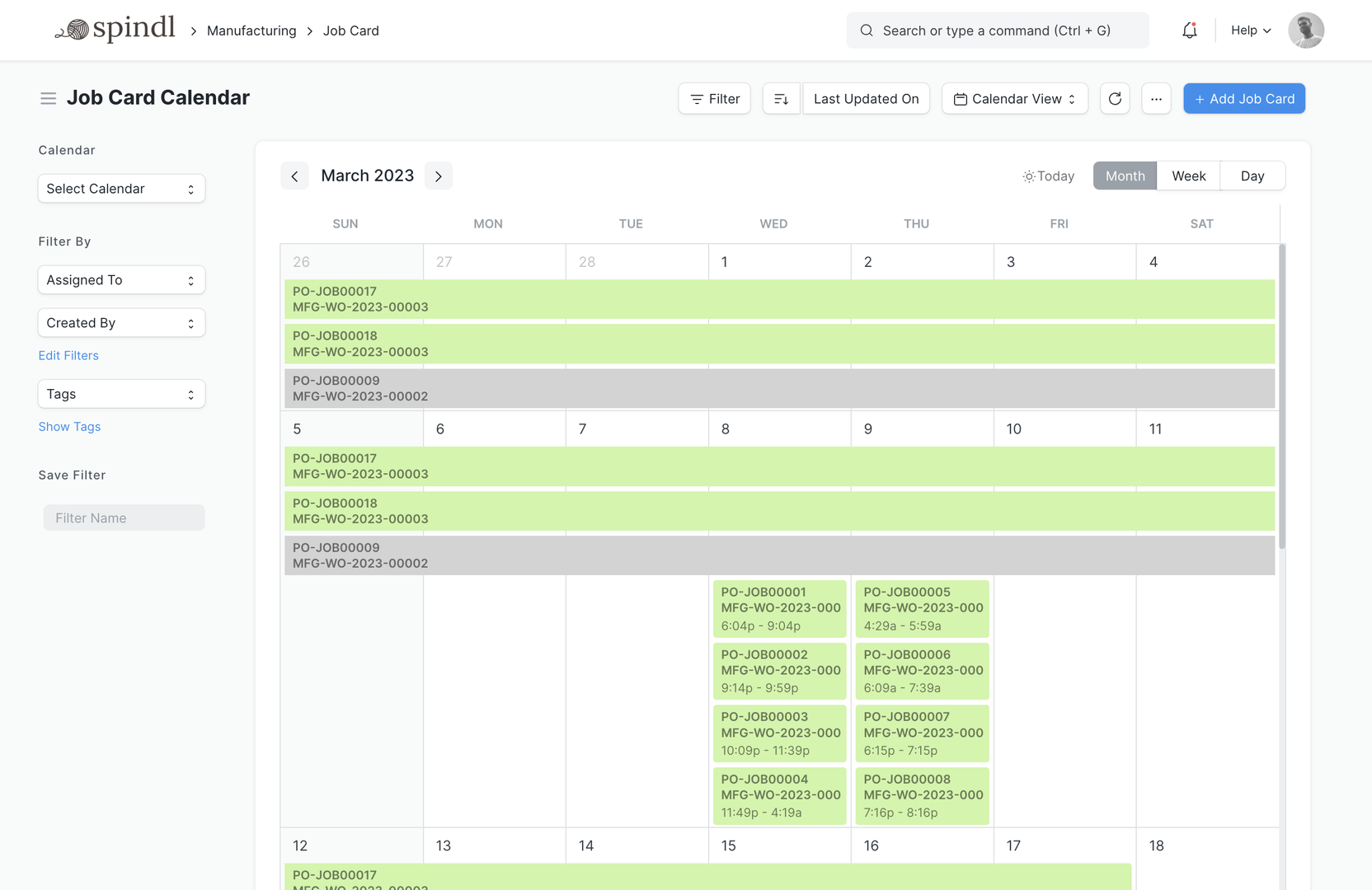
5️⃣ Shop Floor & Operations Tracking
What they want
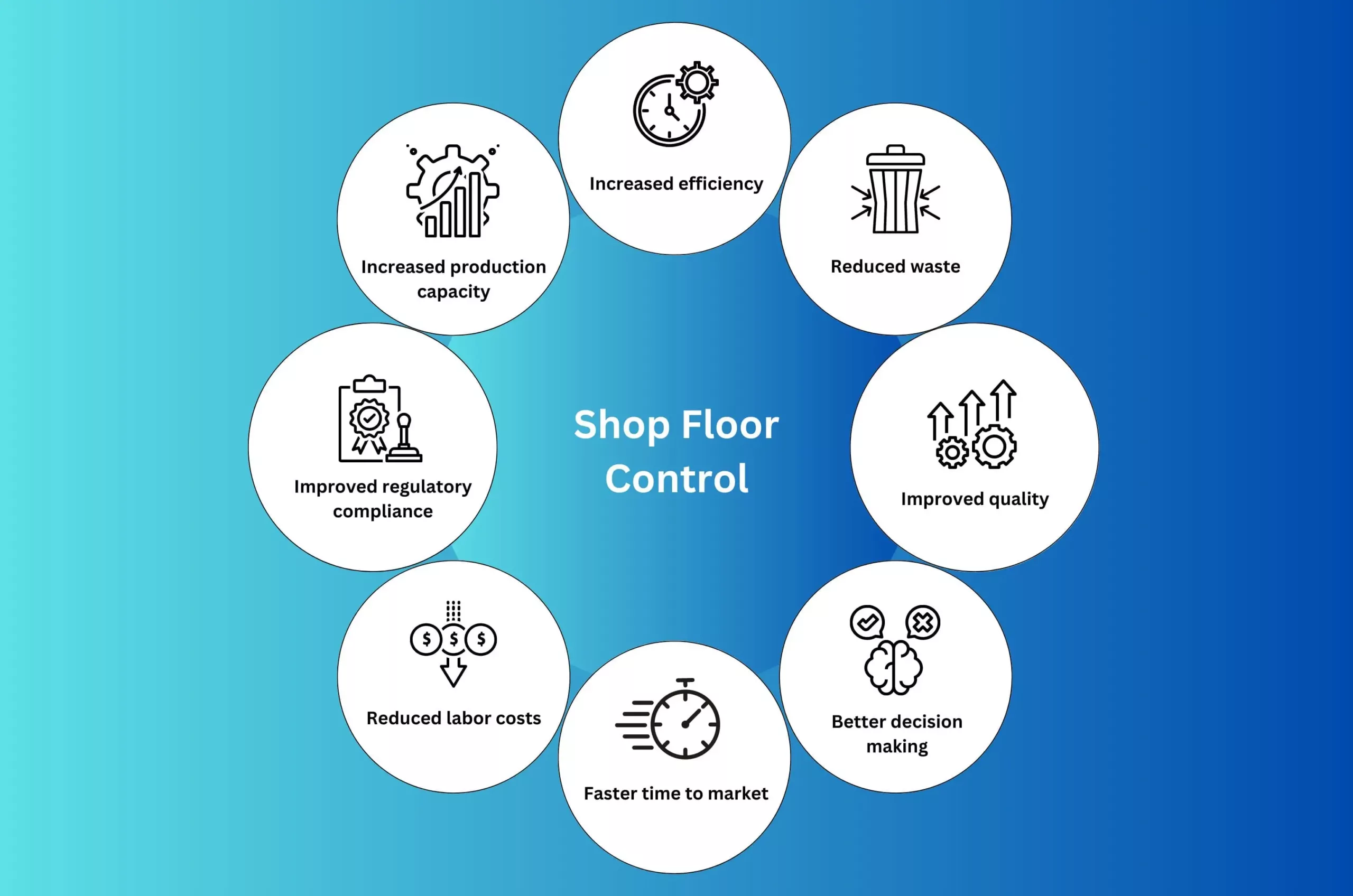
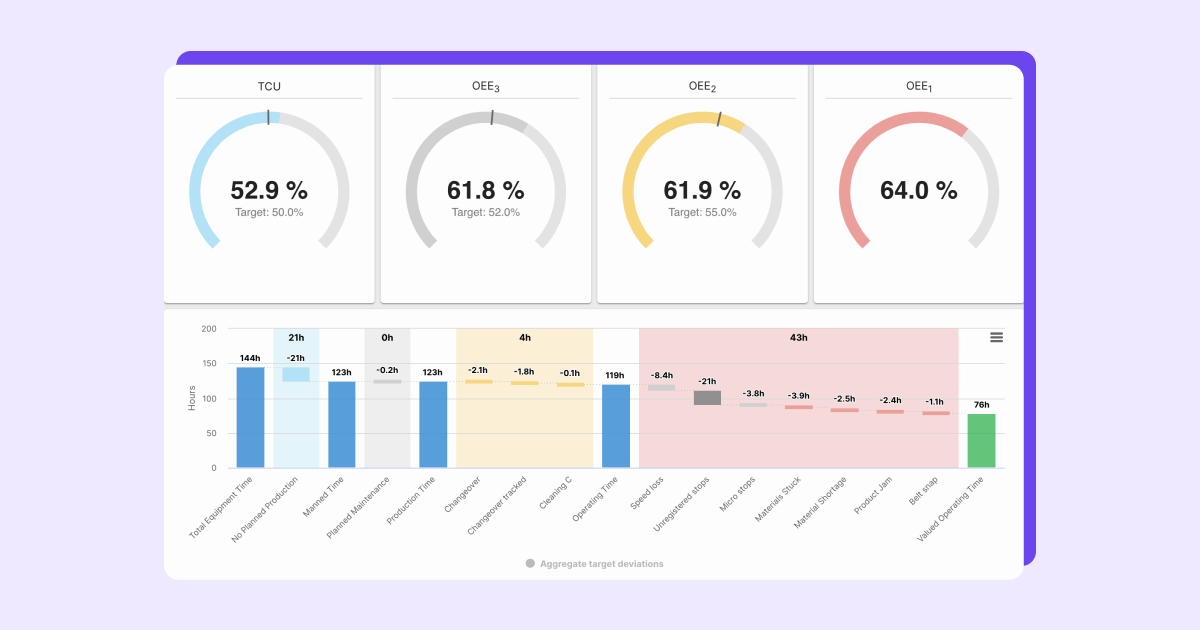
- Track:
- Each operation (cutting, mixing, assembly, packaging)
- Time spent per operation
- Machine usage
- Measure operator productivity
Why it matters
- Identifies production bottlenecks
- Improves efficiency
- Supports incentive or performance systems
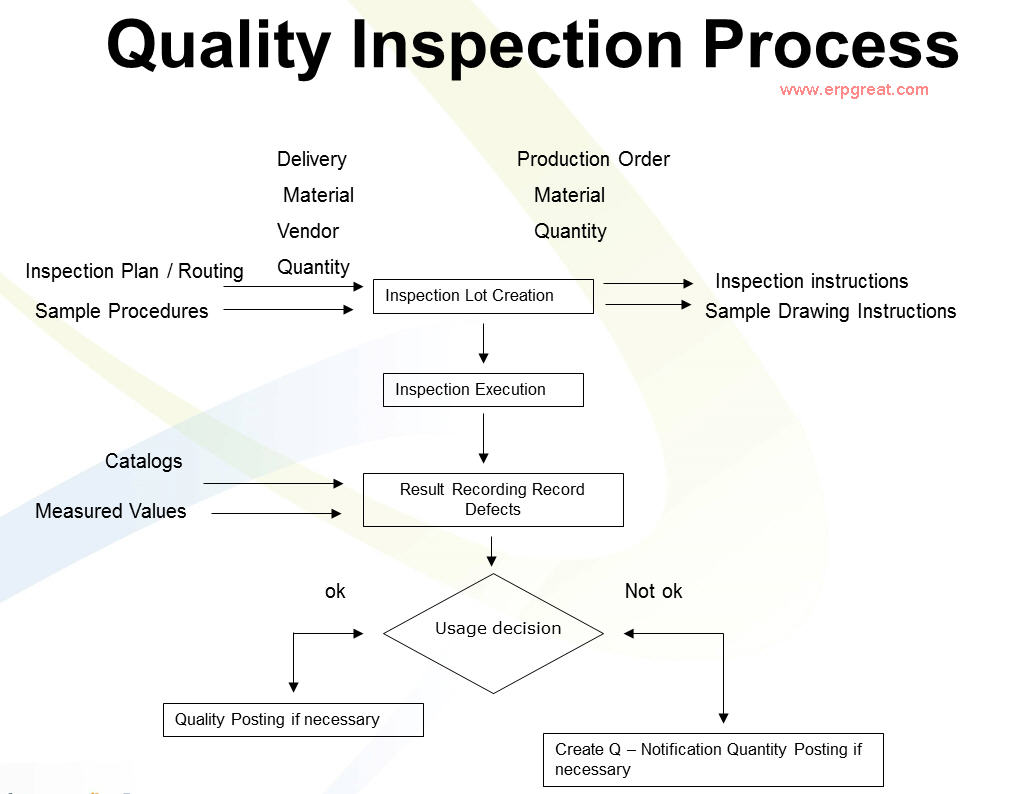
6️⃣ Quality Control & Compliance


What they want
- Inspect raw materials and finished goods
- Enforce quality checkpoints
- Track batches & expiry dates
- Support audits (especially food, pharma, FMCG)
Result
- Fewer customer complaints
- Traceability during recalls
- Regulatory compliance
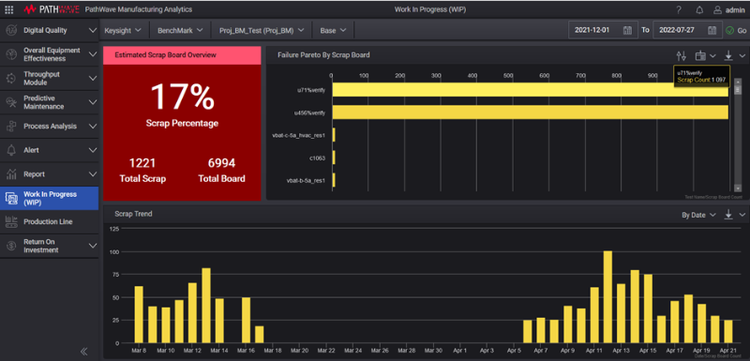
7️⃣ Waste, Scrap & Yield Management


What they want
- Capture:
- Scrap
- Process loss
- Rework
- Compare expected vs actual yield
Business impact
- Reveals hidden losses
- Improves margin over time
- Encourages continuous improvement
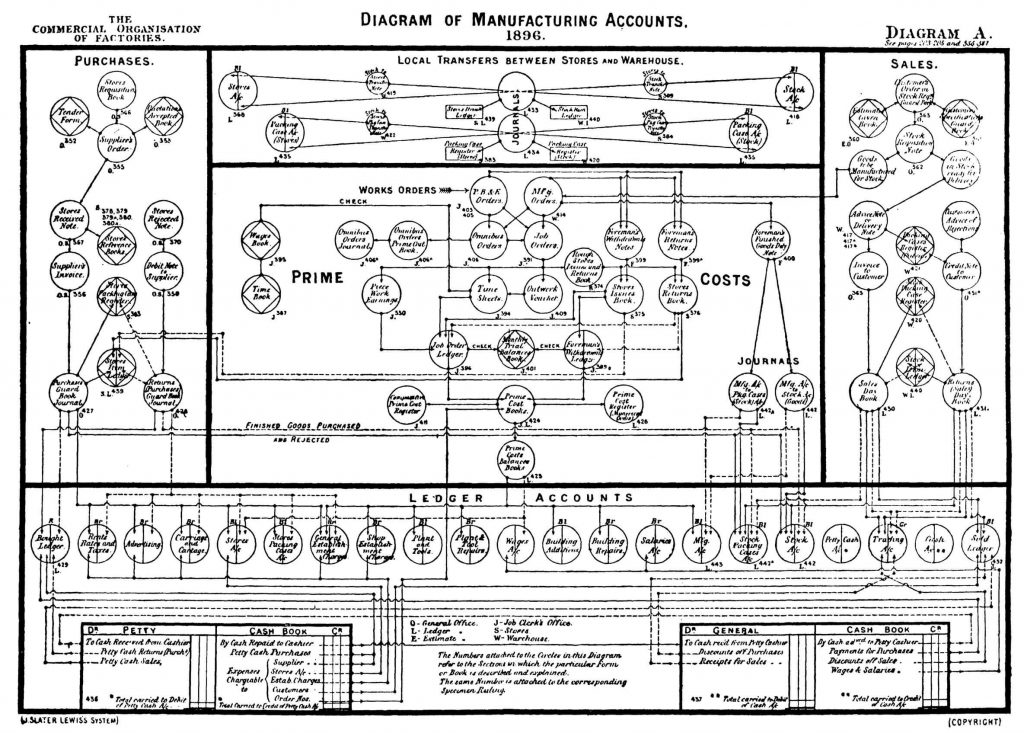
8️⃣ Financial Integration (CEO-Level Expectation)
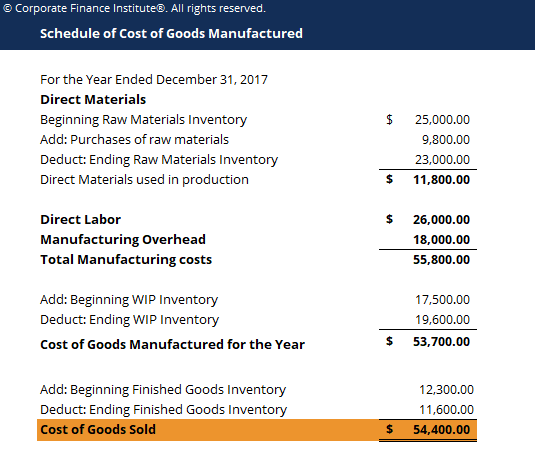
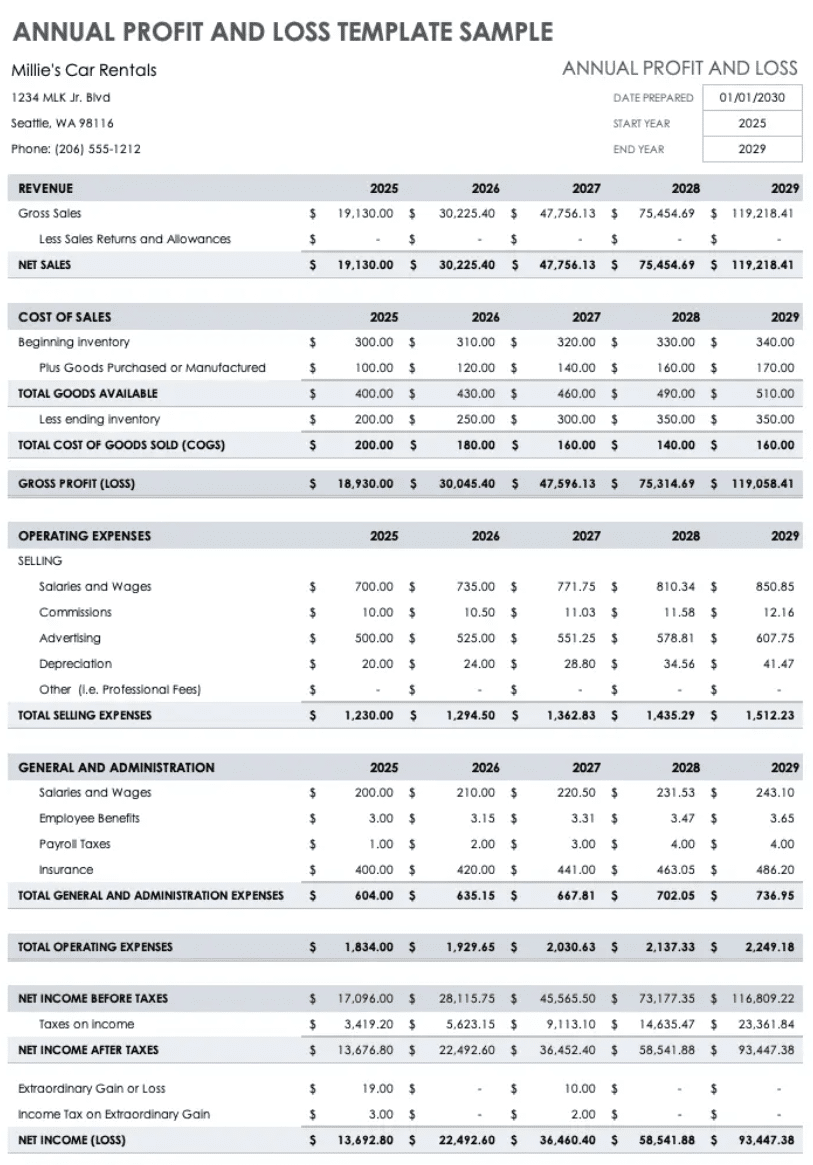
What they want
- Automatic posting to:
- Inventory valuation
- COGS
- Production overheads
- Real-time impact on:
- Profit & Loss
- Balance Sheet
Key expectation
“Production should automatically reflect in my accounts — no manual journals.”
9️⃣ Reporting, Dashboards & Decision Support
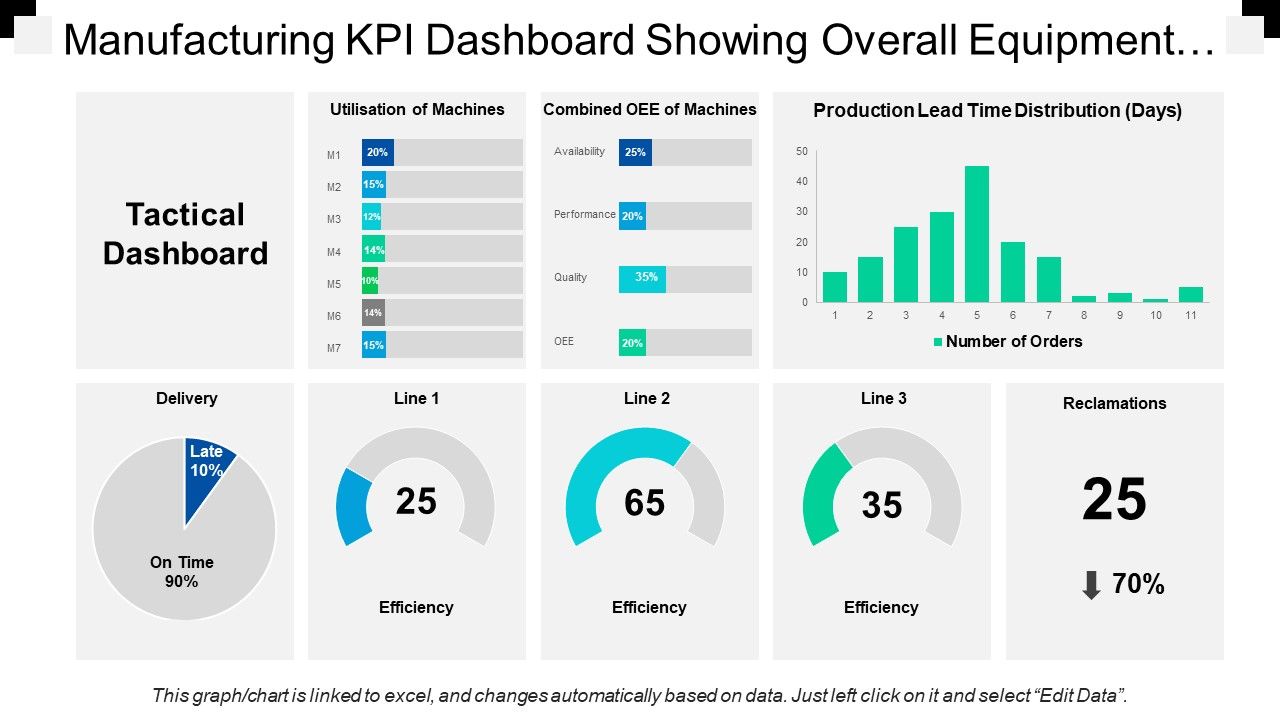

What they want to see
- Cost per unit (trend)
- Production efficiency
- Material variance
- On-time delivery rate
- Profitability by product
Used by
- Owners
- Operations managers
- Finance teams
10️⃣ Scalability & Process Discipline
What growing companies expect
- Same system works for:
- 1 factory → multiple plants
- 10 SKUs → 1,000 SKUs
- Enforced processes (less dependency on individuals)
🔑 In Simple Terms
Manufacturers don’t buy ERP manufacturing modules just to record production.
They buy it to:
✔ Control cost
✔ Predict demand
✔ Reduce waste
✔ Improve efficiency
✔ Protect margins
✔ Scale confidently
🎯 ERPNext-Specific Insight (from real projects like yours)
Based on your ERPNext manufacturing work in Ghana:
- Most manufacturers initially want inventory & costing
- Later they demand planning, WIP visibility, and dashboards
- Owners eventually ask:
“Show me where the money is leaking in production.”
No comments yet. Login to start a new discussion Start a new discussion